The Illuminati—a name that evokes images of shadowy cabals, celebrity puppets, and global domination—has permeated popular culture, from novels and films to social media memes. But should the average person lose sleep over this supposed secret society? This essay examines the historical origins of the Illuminati, the evolution of its conspiracy theories, the arguments for and against its existence as a controlling force, the psychological underpinnings of such beliefs, and whether concern is warranted in today’s world. By drawing on factual history, debunking efforts, and diverse viewpoints, we can assess if the Illuminati represents a genuine threat or merely a distracting myth.
Historically, the Illuminati was a real organization, but far from the omnipotent entity of modern lore. Founded on May 1, 1776, in Bavaria by Adam Weishaupt, a professor of canon law, the Bavarian Illuminati (officially the Order of Illuminati) was an Enlightenment-era secret society. Its goals were rationalist: to promote reason, combat superstition, and oppose religious and political abuses of power. Members included intellectuals, Freemasons, and nobles, with a hierarchical structure inspired by Masonic lodges. The group aimed to infiltrate institutions to foster progressive reforms, but it was short-lived. By 1785, the Bavarian government, fearing subversion, banned secret societies, leading to raids, arrests, and the Illuminati’s dissolution. Estimates suggest it never exceeded 2,000 members, mostly in German states. Contemporary accounts, such as those from the era’s anti-Illuminati writings, exaggerated its influence, laying the groundwork for later myths.
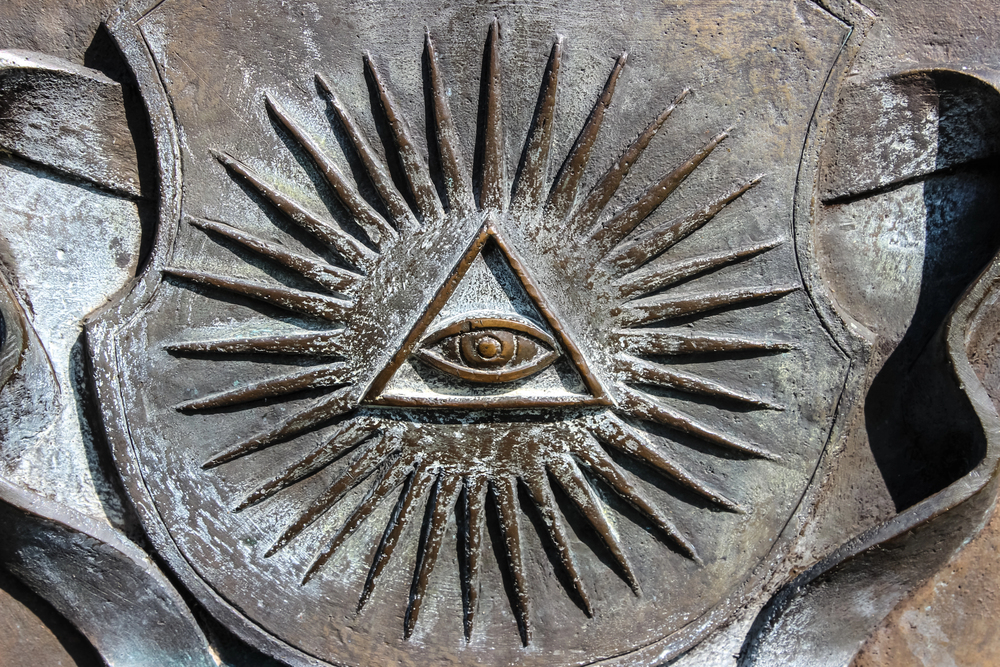
The modern Illuminati conspiracy theory, however, is a 20th-century invention, detached from this historical reality. It gained traction in the 1960s through satirical works like the “Illuminatus! Trilogy” by Robert Shea and Robert Anton Wilson, which blended fact, fiction, and absurdity to mock conspiracy thinking. What started as a prank—letters to magazines claiming Illuminati involvement in everything from assassinations to rock music—snowballed into a cultural phenomenon. By the 1990s, authors like David Icke and Jim Marrs amplified the narrative, linking the Illuminati to a “New World Order” (NWO), Freemasons, and global elites plotting one-world government, population control, and satanic rituals. The internet supercharged this, with forums like Reddit and platforms like X (formerly Twitter) hosting endless debates. Today, believers point to symbols like the eye in the pyramid on the U.S. dollar bill (actually a Masonic symbol from 1782) as “proof,” ignoring its benign origins in Enlightenment iconography.
Proponents of the theory argue there is ample “evidence” for concern. They claim the Illuminati controls world events through puppets in politics, finance, and entertainment. For instance, celebrities like Beyoncé, Jay-Z, and Lady Gaga are accused of flashing “Illuminati signs” (e.g., the OK hand gesture or pyramid poses) in performances, signaling allegiance. On X, users share anecdotes, like one claiming Bad Bunny’s Super Bowl halftime show selection is Illuminati orchestration, or linking movie plots to real events, such as a 1998 film foreshadowing an assassination attempt on conservative figure Charlie Kirk. Reddit threads discuss how the group allegedly survived suppression, evolving into hidden networks influencing bodies like the United Nations or World Economic Forum (WEF). Some self-proclaimed insiders, like X user @RealTruthCMN, tout books revealing a “Real Illuminati®” recruiting for benevolent purposes, blending conspiracy with self-promotion. Believers warn of dangers like microchipping, chemtrails, or staged pandemics, urging vigilance against this “corrupt elite.” Philosopher Julian Baggini notes that questioning hidden powers isn’t inherently mad, as real inequalities exist.
Yet, the overwhelming consensus from historians, journalists, and fact-checkers is that the Illuminati as a controlling force is fiction. No credible evidence supports its survival post-1785; claims rely on cherry-picked symbols, coincidences, and circular logic. Britannica dismisses it as “nothing more than a conspiracy theory,” emphasizing its historical irrelevance. Debunkers highlight how theories adapt to dismiss contradictions—e.g., lack of proof is “proof” of cover-up. On Reddit, users explain the shift from liberal society to bogeyman via anti-Masonic hysteria in the 1790s, fueled by books like John Robison’s “Proofs of a Conspiracy.” Pop culture references, from Katy Perry’s Super Bowl show to K-pop, are marketing or artistic choices, not signals. X posts often satirize this, like one joking about dismantling the “melee Illuminati” in gaming communities. Even pro-theory sources inadvertently reveal the myth’s satirical roots.
Psychologically, belief in the Illuminati stems from a need for order in chaos. Conspiracy theories flourish during uncertainty, like post-9/11 or COVID-19, offering simple explanations for complex problems. They empower the disempowered, framing believers as “woke” against sheeple. Studies show cognitive biases like pattern-seeking (apophenia) drive this; humans connect unrelated dots, seeing symbols everywhere. Social media algorithms amplify echo chambers, as seen in X threads linking Illuminati to everything from AI to fallen angels. However, this can harm: theories distract from real issues like inequality or corruption, and extreme ones incite violence, as with QAnon offshoots. The European Commission warns of their danger in spreading misinformation.
While the Illuminati isn’t real, concern about power concentration is valid. Entities like the WEF or Bilderberg Group—where elites discuss policy—exist openly, influencing without secrecy. Oligarchs and corporations wield undue sway, but through lobbying and economics, not satanic rituals. Focusing on “Illuminati” diverts from actionable reforms like campaign finance or antitrust laws. As one Reddit user notes, “Oligarchs rule the world,” but via transparent manipulations. In 2025, with AI and global challenges, critical thinking trumps paranoia.
You shouldn’t be concerned about the Illuminati as a literal threat—it’s a defunct group morphed into a baseless myth. Historical facts, debunkings, and psychology explain its persistence, but real power dynamics deserve scrutiny without conspiracy lenses. Redirect energy toward evidence-based activism; the world has enough tangible problems without inventing secret overlords. (Word count: 1012)