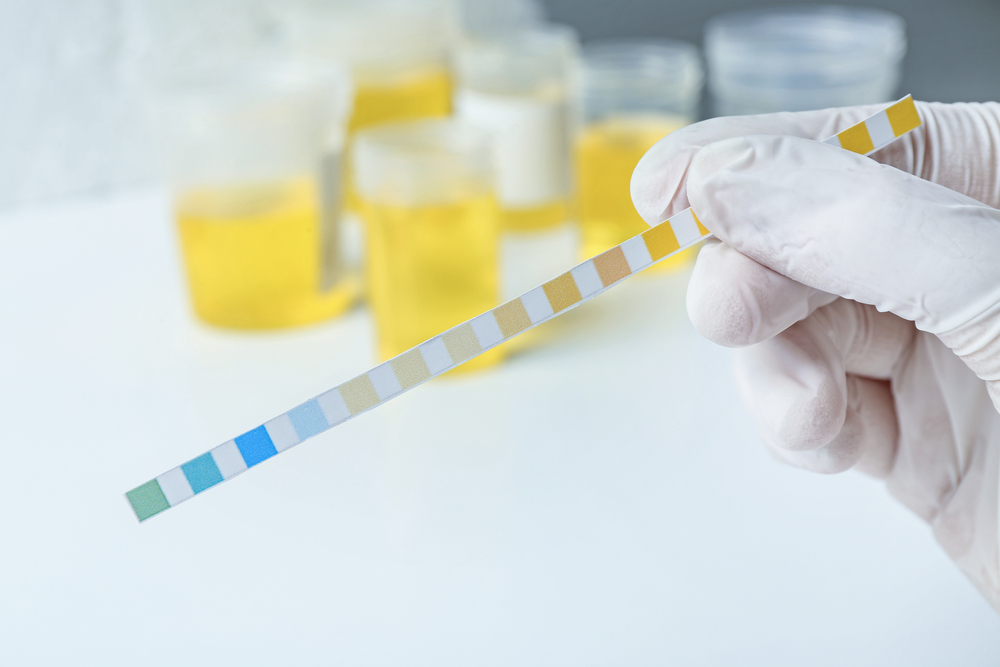
Urine therapy, also known as urotherapy or auto-urine therapy, is the practice of using one’s own urine for medicinal or cosmetic purposes. This practice has been around for centuries, appearing in various cultures and traditional medicine systems, including Ayurveda and ancient Chinese medicine. Proponents claim it can treat a wide range of ailments, from skin conditions to chronic diseases, and even promote overall wellness. However, its resurgence in modern alternative health circles has sparked debate about its safety, efficacy, and scientific validity. This essay explores whether you should be concerned about urine therapy by examining its historical context, purported benefits, scientific evidence, potential risks, and ethical considerations.
Historical and Cultural Context
Urine therapy has roots in ancient practices. In traditional Indian medicine, specifically Ayurveda, the use of urine (referred to as Shivambu) is mentioned in texts like the Damara Tantra, where it is described as a remedy for various health issues. Similarly, ancient Chinese, Egyptian, and Roman texts document the use of urine for healing wounds, improving skin, or treating infections. These historical uses were often based on observation and anecdotal success rather than scientific validation.
In modern times, urine therapy has gained traction in alternative health communities, particularly through books like John W. Armstrong’s The Water of Life (1944), which advocates for drinking urine or applying it topically to cure diseases. Proponents often cite the presence of nutrients, hormones, and enzymes in urine as evidence of its therapeutic potential. However, historical use does not necessarily equate to safety or efficacy, and the lack of rigorous scientific scrutiny in these traditions raises questions about their relevance in contemporary medicine.
Purported Benefits of Urine Therapy
Advocates of urine therapy claim it offers numerous health benefits. They argue that urine contains valuable compounds like urea, vitamins, minerals, and hormones that can be reabsorbed by the body to promote healing. Some of the claimed benefits include:
- Immune System Boost: Proponents suggest that urine contains antibodies and immune-modulating substances that can strengthen the body’s defenses.
- Skin Health: Topical application of urine is said to treat acne, eczema, and other skin conditions due to its supposed antimicrobial and anti-inflammatory properties.
- Detoxification: Drinking urine is believed to help detoxify the body by recycling nutrients and flushing out toxins.
- Chronic Disease Treatment: Some claim urine therapy can alleviate symptoms of chronic conditions like arthritis, diabetes, or even cancer.
These claims often rely on anecdotal testimonials rather than controlled studies. The idea that urine, as a waste product, contains beneficial substances is appealing to those seeking natural or holistic remedies, but it requires closer examination through a scientific lens.
Scientific Evidence and Skepticism
The scientific community largely dismisses urine therapy as unproven and potentially harmful. Urine is a waste product filtered by the kidneys, containing water, electrolytes, and metabolic byproducts like urea, creatinine, and ammonia. While some of these components, like urea, have medical applications (e.g., in topical creams for skin hydration), there is no evidence to suggest that drinking or applying urine offers therapeutic benefits beyond placebo effects.
Lack of Clinical Studies
Rigorous, peer-reviewed studies on urine therapy are scarce. Most claims are based on anecdotal reports or small, poorly designed studies lacking control groups or reproducible results. For example, a 1999 study published in the Journal of Alternative and Complementary Medicine explored urine therapy’s effects on skin conditions but was criticized for methodological flaws and small sample sizes. Without large-scale, randomized controlled trials, the efficacy of urine therapy remains speculative.
Composition of Urine
Urine’s composition varies depending on diet, hydration, and health status. While it contains trace amounts of vitamins, minerals, and hormones, these are present in concentrations too low to have significant therapeutic effects. Moreover, reintroducing waste products into the body could strain the kidneys and liver, which are designed to eliminate these substances.
Placebo Effect
Some reported benefits of urine therapy may be attributed to the placebo effect, where belief in a treatment’s efficacy leads to perceived improvements in health. This psychological factor can be powerful but does not validate the therapy’s biological mechanisms.
Potential Risks and Health Concerns
While urine is generally sterile when it leaves the body, there are several reasons to be cautious about urine therapy:
- Infection Risk: If urine is not collected or stored properly, it can become contaminated with bacteria, leading to infections when ingested or applied to broken skin. Individuals with urinary tract infections (UTIs) may introduce harmful pathogens into their system through urine therapy.
- Toxin Reabsorption: Urine contains metabolic waste products that the body has already deemed unnecessary or harmful. Reintroducing these substances, especially in cases of underlying kidney or liver dysfunction, could exacerbate health issues.
- Nutritional Imbalance: Relying on urine therapy as a primary treatment may lead individuals to neglect proven medical interventions, potentially worsening conditions like diabetes or hypertension.
- Dehydration: Drinking urine, particularly in large quantities, can disrupt the body’s electrolyte balance and lead to dehydration, as urine is often more concentrated than water.
- Psychological and Social Implications: Engaging in a practice considered unconventional or taboo may lead to social stigma or psychological distress, particularly if it conflicts with personal or cultural beliefs.
The lack of regulation in alternative health practices also means that misinformation about urine therapy can spread easily, potentially leading to unsafe practices or self-diagnosis.
Ethical and Practical Considerations
Beyond health risks, urine therapy raises ethical questions. Proponents often market it as a free, natural remedy, which can appeal to individuals who distrust conventional medicine or cannot afford treatment. However, this narrative can exploit vulnerable populations, encouraging them to forgo evidence-based care in favor of unproven methods. The absence of standardized guidelines for urine therapy also means that practitioners may provide inconsistent or misleading advice.
From a practical standpoint, urine therapy is relatively low-cost and accessible, as it requires no special equipment or professional supervision. However, this accessibility can be a double-edged sword, as it may discourage individuals from seeking proper medical evaluation for serious conditions.
Should You Be Concerned?
Whether you should be concerned about urine therapy depends on your intentions and approach. If you are considering it as a complementary practice, it’s essential to weigh the lack of scientific evidence against the potential risks. For minor applications, such as using urine topically for skin issues, the risk may be low, provided proper hygiene is maintained. However, ingesting urine or relying on it to treat serious conditions like cancer or chronic infections is highly concerning due to the absence of proven benefits and the potential for harm.
Consulting a healthcare professional before starting any alternative therapy is critical, especially if you have pre-existing medical conditions or are taking medications. A doctor can provide guidance on whether urine therapy might interact with your health status or treatments. Additionally, be wary of sources promoting urine therapy, as many rely on anecdotal claims rather than empirical data.
Urine therapy occupies a controversial space in the realm of alternative medicine. While it has historical and cultural significance, the lack of robust scientific evidence and the potential health risks make it a questionable practice. If you are curious about urine therapy, approach it with skepticism and prioritize evidence-based treatments for serious health concerns. The human body is complex, and while the idea of recycling its own substances may seem intuitive, the scientific consensus suggests that urine is best left as a waste product. By staying informed and consulting trusted medical professionals, you can make decisions that prioritize your health and well-being without falling prey to unproven remedies.