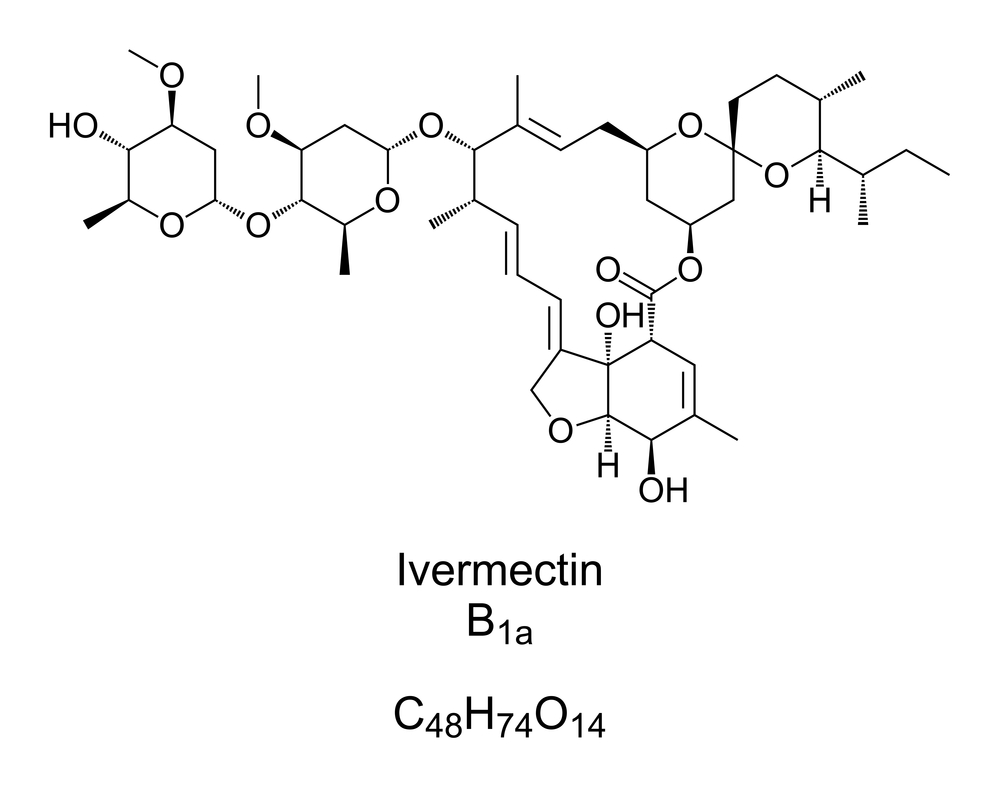
In an era where health information spreads faster than viruses, few drugs have captured the public’s imagination—and ire—like ivermectin. Originally hailed as a “wonder drug” for eradicating parasitic infections, ivermectin earned its developers a Nobel Prize in 2015 for combating river blindness and lymphatic filariasis. Yet, in recent years, it has been rebranded by some as a panacea for everything from COVID-19 to cancer, autism, and even chronic fatigue. Promoters, ranging from online influencers to rogue physicians, tout it as a suppressed miracle, often framing mainstream medicine as a conspiracy.
At its core, ivermectin is an antiparasitic medication, effective against worms, lice, and mites in both humans and animals. Approved by the FDA in 1996 for conditions like strongyloidiasis and onchocerciasis, it has saved millions in tropical regions through mass distribution programs. Dermatological applications include treating scabies and rosacea topically, where it reduces inflammation by targeting Demodex mites. Beyond parasites, preclinical studies hint at broader potential: ivermectin exhibits anti-inflammatory and antiviral properties in lab settings, inhibiting proteins like importin alpha/beta involved in viral replication. Some research explores its role in cancer, suggesting it may induce apoptosis in tumor cells or enhance chemotherapy efficacy in gynecologic malignancies. However, these findings are preliminary, confined to cell lines and animal models, with no robust human trials supporting clinical use.
The hype peaked during the COVID-19 pandemic, when ivermectin was peddled as a cheap alternative to vaccines and antivirals. Early, low-quality studies—often retracted for methodological flaws—fueled optimism, claiming reduced mortality and faster recovery. Yet, rigorous meta-analyses paint a different picture. A 2022 review of 25 trials found no significant reduction in death rates or need for mechanical ventilation among COVID patients. Similarly, a JAMA study involving over 1,300 participants confirmed ivermectin’s ineffectiveness in alleviating symptoms. Major health authorities concur: the FDA warns against its use for COVID-19, stating it is not authorized and can cause harm. The WHO advises clinical trials only, citing insufficient evidence. Even Merck, ivermectin’s manufacturer, distanced itself in 2021, noting no data supports its safety or efficacy for the virus beyond antiparasitic doses. Claims of it curing “all health problems” extend this fallacy, ignoring that no single drug targets diverse pathologies like viral infections, autoimmune diseases, or cancers without side effects.
The dangers of promoting ivermectin as a cure-all are multifaceted and severe. Self-medication, often with veterinary formulations, has spiked poison control calls: in 2021, U.S. centers reported a 245% increase in exposures, leading to nausea, seizures, coma, and even death from overdose. For instance, high doses disrupt the blood-brain barrier, causing neurotoxicity. More insidiously, reliance on unproven remedies delays evidence-based care. During COVID, patients forgoing monoclonal antibodies or Paxlovid for ivermectin faced worse outcomes, contributing to preventable hospitalizations. Emerging myths, like ivermectin treating cancer, exacerbate this: a 2025 KFF report highlights how such claims lead vulnerable patients to abandon chemotherapy, with no supporting clinical data. Broader societal risks include antibiotic stewardship erosion—ivermectin’s off-label surge parallels antimicrobial resistance patterns—and strained healthcare resources from managing toxicities. A Lancet commentary warns that misusing ivermectin data undermines global tropical disease programs, where the drug’s legitimate role is vital. In short, these promotions transform a valuable tool into a hazardous placebo.
Why do people promote ivermectin so fervently? Motives blend ideology, profit, and psychology. Politically, it became a flashpoint in culture wars: right-wing influencers, distrustful of institutions like the FDA, framed it as a “people’s cure” suppressed by Big Pharma. A 2023 JAMA study linked ivermectin use to misinformation endorsement and low trust in science, with 6% of COVID survivors reporting its intake amid conspiracy narratives. Financial incentives abound: online sellers hawk unregulated supplements laced with ivermectin, while some physicians charge for “protocols.” Social media amplifies this; algorithms reward sensationalism, turning anecdotal “success stories” into viral truths despite flawed evidence from retracted papers. A LinkedIn analysis calls it a “systems problem,” where echo chambers sustain myths beyond mere messaging failures. Even professionals aren’t immune: the AAMC notes debates over disciplining doctors for spreading falsehoods, balancing free speech against patient harm. These promoters, wittingly or not, exploit vulnerability—fear of illness, economic barriers to care—fostering a parallel “wellness” industry that preys on the desperate.
The concern deepens when considering long-term fallout. Misinformation erodes public health literacy: a 2022 study found it heightened anxiety and vaccine hesitancy, prolonging pandemics. In Mexico City, distributing ivermectin kits based on dubious data drew BMJ rebuke for promoting unproven treatments amid crisis. Globally, it diverts resources from equitable access to verified therapies, disproportionately harming low-income communities.
Promoting ivermectin as a cure-all isn’t harmless eccentricity—it’s a public health threat warranting vigilance. While the drug deserves credit for its antiparasitic triumphs, extrapolating it to “all health problems” ignores science, invites toxicity, and stems from motives that prioritize narrative over lives. Be concerned: question sources, consult professionals, and champion evidence. In medicine, miracles aren’t marketed—they’re proven. By fostering critical thinking, we safeguard not just individuals, but society from the true epidemic of doubt.