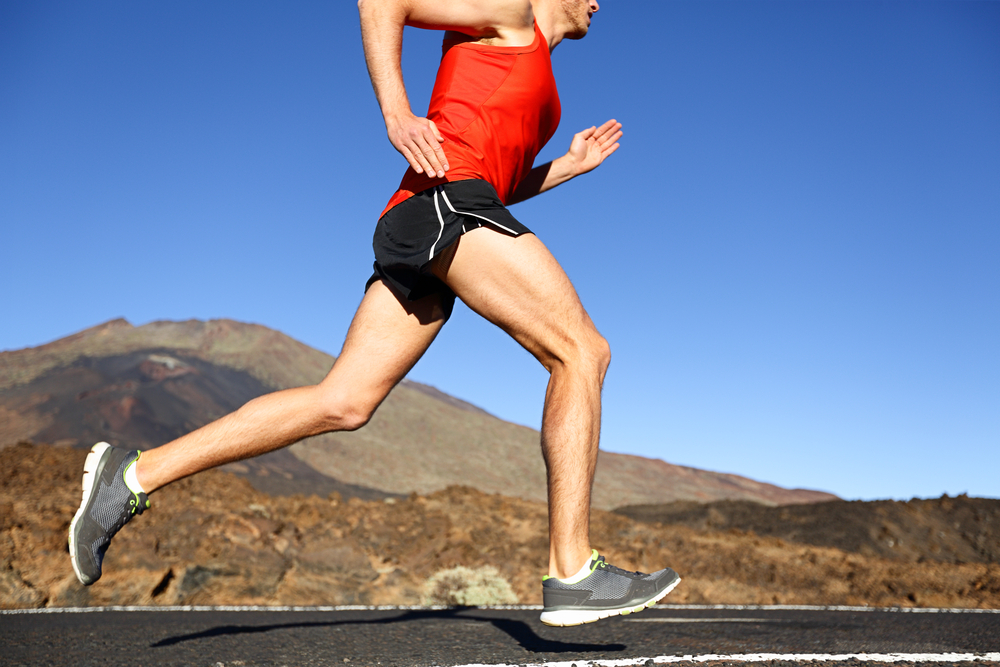
Running is a popular form of exercise, valued for its accessibility and health benefits, including improved cardiovascular fitness and mental well-being. However, the choice of running shoes significantly impacts a runner’s experience and safety. Wearing the wrong running shoes—those not suited to an individual’s foot type, running style, or terrain—can lead to discomfort, injury, and diminished performance. This essay argues that runners should indeed be concerned about using improper running shoes due to the risks of biomechanical injuries, reduced performance, and long-term foot health issues. By exploring the biomechanics of running, the consequences of ill-fitting shoes, counterarguments regarding cost and convenience, and practical solutions, this essay highlights why selecting appropriate running shoes is critical for all runners.
The Biomechanics of Running and Shoe Design
Running places significant stress on the body, with each step generating forces up to three times a runner’s body weight. The feet, as the primary contact point with the ground, rely on shoes to absorb shock, provide stability, and facilitate efficient movement. Running shoes are designed with specific features—cushioning, arch support, heel-to-toe drop, and traction—to accommodate different foot types and running conditions. For example, runners with high arches need cushioned shoes to absorb impact, while those with flat feet benefit from stability shoes to control overpronation, where the foot rolls inward excessively.
Wearing the wrong shoes disrupts this biomechanical balance. For instance, a runner with overpronation using neutral shoes, which lack motion control, may experience excessive foot rotation, straining the ankles, knees, and hips. A 2019 study in The American Journal of Sports Medicine found that improper shoe selection increased the risk of lower extremity injuries by 39% in recreational runners. Shoes not matched to terrain—such as road shoes used on trails—can also cause issues, as they lack the grip and durability needed for uneven surfaces. Understanding one’s foot type, gait, and running environment is essential to choosing shoes that mitigate these risks.
Consequences of Running in the Wrong Shoes
The immediate and long-term consequences of wearing inappropriate running shoes are significant. Short-term discomfort, such as blisters or hot spots, often signals a poor fit. For example, shoes with a narrow toe box can compress toes, leading to friction and pain, while insufficient cushioning may cause soreness in the ball of the foot or heels. These issues can discourage runners, particularly beginners, from continuing their training.
More concerning are the injuries associated with improper shoes. Plantar fasciitis, a common condition causing heel pain, often results from inadequate arch support or worn-out cushioning. A 2020 study in Journal of Orthopaedic Research linked 25% of plantar fasciitis cases in runners to inappropriate footwear. Similarly, shin splints and stress fractures can arise from repetitive impact in shoes lacking sufficient shock absorption. Overpronation or supination (under-rotation of the foot) in mismatched shoes can also lead to iliotibial band syndrome or patellofemoral pain syndrome, affecting the knees. These injuries not only cause pain but can sideline runners for weeks or months, disrupting fitness goals.
Long-term, running in the wrong shoes may contribute to chronic issues. Repeated stress on misaligned joints can accelerate wear on cartilage, increasing the risk of osteoarthritis. Morton’s neuroma, a painful nerve condition in the forefoot, is often exacerbated by tight or unsupportive shoes. For runners logging high mileage, the cumulative effect of improper footwear can lead to persistent pain and reduced mobility, underscoring the importance of proper shoe selection.
Impact on Performance and Enjoyment
Beyond physical health, the wrong running shoes can hinder performance and diminish the enjoyment of running. Shoes that are too heavy or lack responsiveness can slow a runner’s pace, making workouts feel more laborious. For example, minimalist shoes, while lightweight, may fatigue the feet of runners unaccustomed to low cushioning, reducing endurance. Conversely, overly cushioned shoes may feel bulky, impeding speed for competitive runners. A 2021 study in Sports Medicine found that runners wearing shoes optimized for their biomechanics improved their running economy by up to 4%, translating to better performance with less effort.
Comfort also affects motivation. Pain or discomfort from ill-fitting shoes can make running unpleasant, leading to decreased consistency. For recreational runners, who often run for mental health benefits, an unenjoyable experience may deter them from maintaining the habit. Proper shoes enhance comfort, boost confidence, and allow runners to focus on their stride and surroundings, making the activity more rewarding.
Counterarguments: Cost and Convenience
Some argue that concerns about running shoes are overstated, citing cost and convenience as barriers to prioritizing footwear. High-quality running shoes can cost $100-$200, and frequent runners may need to replace them every 300-500 miles, a significant expense for some. Critics suggest that general athletic shoes or older pairs suffice for casual running, especially for beginners who may not run frequently. Additionally, the process of selecting the right shoes—through gait analysis or professional fittings—can feel time-consuming or inaccessible, particularly in areas without specialty running stores.
However, these concerns do not negate the risks of improper footwear. While cost is a valid issue, affordable running shoes from reputable brands often provide adequate support for casual runners. Online tools, such as gait analysis questionnaires or retailer guides, can help runners choose without in-person fittings. Moreover, the cost of shoes pales in comparison to medical expenses for treating injuries like stress fractures, which may require imaging, physical therapy, or time off work. Investing in proper shoes is a proactive measure that saves money and time in the long run. For those unable to afford frequent replacements, rotating between two pairs can extend shoe life while maintaining performance.
Another counterargument is that experienced runners can adapt to less-than-ideal shoes through technique or strength training. While skilled runners may compensate to some extent, this does not eliminate the risk of injury, especially during high-mileage training. Even elite runners prioritize shoe selection, as evidenced by professional marathoners who test multiple models to optimize performance. For average runners, who may lack advanced conditioning, proper shoes are even more critical.
Practical Solutions for Choosing the Right Shoes
To avoid the pitfalls of running in the wrong shoes, runners can take practical steps. First, a basic understanding of foot type—high, neutral, or low arches—can guide shoe selection. Many running stores offer free gait analysis, observing a runner’s stride on a treadmill to recommend appropriate shoes. Online resources, such as guides from Runner’s World or manufacturer websites, provide similar insights. Trying on shoes late in the day, when feet are slightly swollen, ensures a proper fit.
Runners should also consider their typical terrain and mileage. Road runners need cushioned shoes with durable soles, while trail runners require shoes with aggressive lugs for grip. Replacing shoes before they lose support—typically every 6-12 months for regular runners—prevents overuse injuries. For budget-conscious runners, outlet stores or last-season models offer quality at lower prices. Orthotic inserts can further customize fit for those with specific biomechanical needs.
Running in the wrong shoes is a legitimate concern due to the risks of injury, reduced performance, and diminished enjoyment. Improper footwear disrupts the biomechanics of running, leading to conditions like plantar fasciitis, shin splints, and joint pain, while also hindering speed and comfort. Although cost and convenience pose challenges, affordable options and accessible resources make proper shoe selection feasible for most runners. By prioritizing shoes that match their foot type, running style, and terrain, runners can protect their health, enhance their performance, and sustain their passion for the sport. Investing time and resources in the right running shoes is not just a matter of comfort—it’s a critical step toward safe and effective running. As the saying goes, “Take care of your feet, and they’ll take you far.”