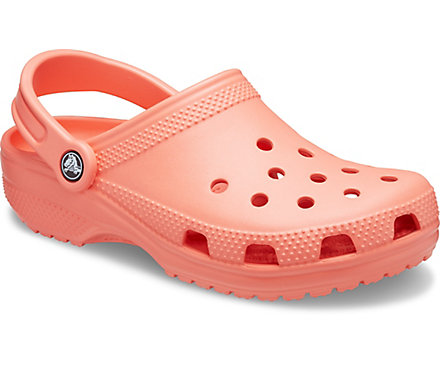
In the ever-evolving world of fashion, few items have sparked as much debate as Crocs, the foam clogs that burst onto the scene in the early 2000s. Originally designed for practicality, these shoes have been alternately hailed as comfortable saviors and derided as aesthetic atrocities. The question at hand—whether wearing Crocs constitutes a fashion faux pas—touches on broader themes of style versus utility, cultural trends, and personal expression. A faux pas, by definition, is a social blunder, often involving poor taste or inappropriateness in attire. For Crocs, opinions are polarized: some view them as the ultimate sign of sartorial surrender, while others embrace them as a bold, ironic statement. As we examine this in 2025, with Crocs enjoying a resurgence amid celebrity endorsements and high-fashion collaborations, the answer appears nuanced. This essay explores the history, criticisms, defenses, and current trends surrounding Crocs to determine if donning them truly qualifies as a fashion misstep.
The Origins and Initial Perception of Crocs
Crocs were born out of necessity rather than style. In 2002, three friends—Lyndon “Duke” Hanson, Scott Seamans, and George Boedecker Jr.—with no prior experience in the shoe industry, acquired foam clog technology from a Canadian company called Foam Creations. Inspired by traditional Dutch clogs, they launched the “Beach” model at the Fort Lauderdale Boat Show, targeting boaters for its non-slip, waterproof properties. Made from Croslite, a proprietary closed-cell resin, the shoes were lightweight, odor-resistant, and exceptionally comfortable, selling out all 200 pairs on debut. The name “Crocs” nods to crocodiles, symbolizing their amphibious versatility on land and water.
Initially, Crocs exploded in popularity, becoming a fad in the mid-2000s. However, this success was met with backlash. Critics lambasted their bulbous shape, ventilation holes, and vibrant colors as ugly and childish. Social media and forums buzzed with mockery; one X user in 2019 declared, “If you wear them in public and you’re not going to a pool, you’re waving the white flag on life.” Fashion experts echoed this, positioning Crocs as the antithesis of elegance. Wearing them with socks amplified the offense, likened to a “fashion felony.” Schools even banned them for safety reasons, citing tripping hazards. In essence, Crocs symbolized a rejection of conventional beauty standards, making wearers appear as if they had “given up.” This perception cemented their status as a faux pas in formal or trendy settings, where aesthetics trump comfort.
Arguments for Crocs as a Fashion Faux Pas
The case against Crocs hinges on their visual appeal—or lack thereof. Detractors argue that their design is inherently unflattering: the chunky silhouette, perforated upper, and rubbery material evoke clown shoes or hospital slippers rather than sophisticated footwear. One podiatrist warned that beyond aesthetics, Crocs lack proper arch support, leading to foot issues over time, compounding the “faux pas” with health risks. Culturally, they’ve been associated with laziness; a 2023 Reddit thread pondered why so many wear them, concluding it’s because “they make people feel comfortable even if they’re not conventionally attractive.” In professional or social contexts, Crocs signal indifference to norms. For instance, pairing them with formalwear, as Brooke Shields did in 2024, was deemed unacceptable by Vogue, clashing with elegance.
Moreover, Crocs’ overexposure fueled fatigue. By the late 2000s, their ubiquity turned them into a punchline, with lists of “worst fashion trends” frequently featuring them. X users in 2025 still echo this, one calling them “hideous” and a “career-ending faux pas.” Another lamented, “Crocs are the most unattractive footwears ever,” refusing to wear them under any circumstance. In 2025 trends, while clogs are back, some editors label plain Crocs as “outdated,” favoring more refined iterations. This suggests that without styling or context, Crocs remain a misstep for those prioritizing polish over practicality.
The Defense: Comfort, Culture, and Contemporary Relevance
Conversely, proponents argue that labeling Crocs a faux pas ignores their merits and evolving status. Comfort is paramount: the ergonomic design, ventilation, and cushioning make them ideal for long wear, appealing to nurses, gardeners, and parents. As one X post noted, “Stablecoins are like the crocs of crypto: not everyone’s style, but undeniably practical.” This utility challenges the faux pas narrative—fashion should serve the wearer, not just observers.
Crocs’ resurgence began in the 2010s with celebrity endorsements. Justin Bieber, Margot Robbie, Nicki Minaj, and Bad Bunny have styled them innovatively, transforming them from “ugly” to “trendy.” High-fashion collaborations, like Balenciaga’s platform Crocs or Salehe Bembury’s thumbprint designs, elevated them to cult status. By 2021, The Irish Times reported a “renaissance,” with sales soaring amid pandemic comfort-seeking. In 2025, Crocs feature at Australian Fashion Week and in Vogue editors’ favorites, blending with ballerina flats and clogs trends. X trends show mixed but positive shifts, with users proudly wearing them seasonally or customizing with Jibbitz charms.
This shift reflects broader cultural changes: post-pandemic fashion favors “ugly-cute” and irony, where Crocs embody rebellion against elitism. As Quora users note, they’re “comfortable and practical,” with perception varying by context. In 2025, financial success—Q4 2024 revenues up 3.1%—underscores their staying power.
The Role of Context and Personal Choice
Ultimately, whether Crocs are a faux pas depends on context. In casual settings like beaches or homes, they’re acceptable; in offices or galas, less so. Styling matters—pairing with baggy jeans or streetwear can make them chic, as seen in TikTok trends. Generational divides exist: millennials may scoff, but Gen Z embraces them. X debates highlight this, with some mortifying kids via Crocs, others defending for orthostatic relief. Fashion is subjective; what one sees as a disaster, another views as empowerment.
Those who wear Crocs are not inherently committing a fashion faux pas. While their origins and aesthetics once branded them as such, collaborations, celebrity influence, and comfort-driven trends have redeemed them. Crocs challenge rigid norms, proving fashion evolves beyond beauty to include functionality and self-expression. As The Times queried in 2021, “Should you wear them?”—the answer is yes, if it suits your style and context. In a world prioritizing authenticity, Crocs represent freedom from judgment. Wearers aren’t faux pas perpetrators; they’re pioneers of practical chic. The real misstep? Dismissing them outright without considering the cultural tide.