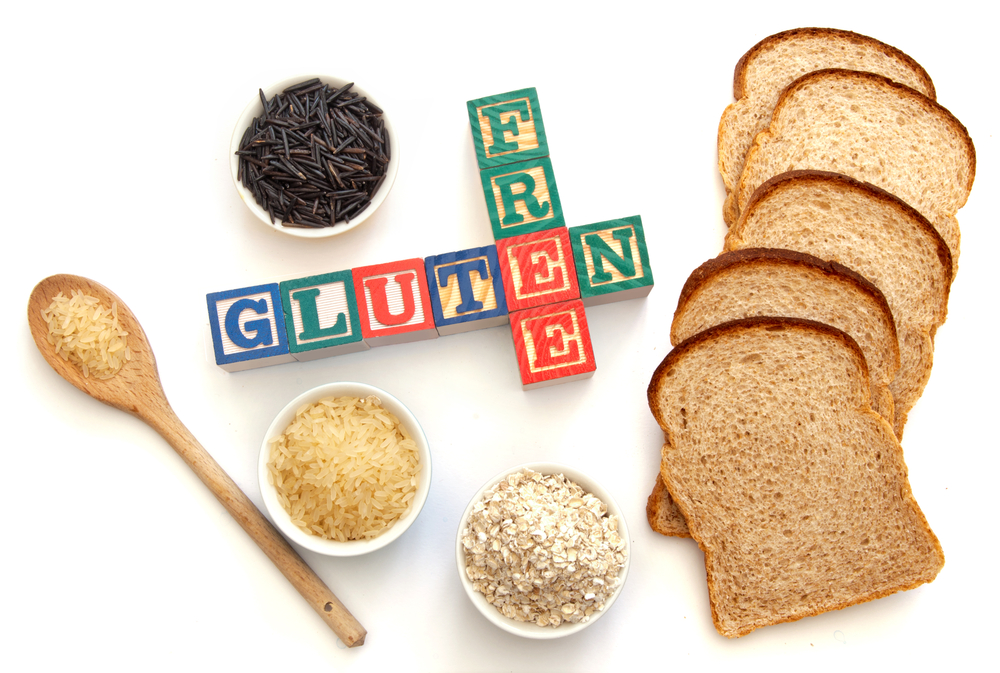
Celiac disease is a serious autoimmune disorder that affects approximately 1% of the global population, though prevalence varies by region. It is triggered by the consumption of gluten, a protein found in wheat, barley, rye, and sometimes oats due to cross-contamination. For individuals with celiac disease, ingesting gluten can cause significant health issues, making it critical to understand the risks and take precautions when preparing or offering food to someone with this condition. This essay explores why you should be concerned about giving gluten to someone with celiac disease, the potential consequences, and how to manage dietary needs responsibly.
Understanding Celiac Disease
Celiac disease occurs when the immune system of genetically predisposed individuals reacts to gluten, damaging the small intestine’s lining. This damage impairs nutrient absorption, leading to a range of symptoms and long-term health complications. Symptoms can vary widely, including abdominal pain, bloating, diarrhea, fatigue, weight loss, and even neurological issues like brain fog or depression. However, some individuals may be asymptomatic, experiencing no noticeable symptoms while still sustaining intestinal damage. This variability makes it essential to take celiac disease seriously, even if the person does not outwardly appear affected.
The only effective treatment for celiac disease is a strict, lifelong gluten-free diet. Even small amounts of gluten—sometimes as little as 20 parts per million (ppm)—can trigger an immune response, causing inflammation and intestinal damage. This sensitivity underscores the importance of avoiding gluten exposure in food preparation and consumption.
Health Risks of Gluten Exposure
Giving gluten to someone with celiac disease, even unintentionally, can have serious consequences. Acute symptoms may occur within hours or days, including severe abdominal pain, nausea, vomiting, or diarrhea. These symptoms can significantly disrupt daily life, causing discomfort and distress. For example, a single exposure to gluten can lead to days of recovery time, during which the individual may be unable to work or engage in normal activities.
Beyond immediate symptoms, repeated or chronic exposure to gluten can lead to long-term complications. Persistent intestinal damage increases the risk of malnutrition, as the body struggles to absorb essential nutrients like iron, calcium, or vitamin D. This can result in conditions such as anemia, osteoporosis, or infertility. Additionally, untreated celiac disease is associated with an increased risk of serious health issues, including small bowel cancer, lymphoma, and other autoimmune disorders. Even small, unintentional exposures over time can contribute to these risks, making vigilance critical.
Cross-contamination is a significant concern. For instance, using the same toaster, cutting board, or utensils for gluten-containing and gluten-free foods can introduce enough gluten to cause harm. Shared condiments, like butter or mayonnaise, can also be contaminated if a knife used on wheat bread is dipped into them. These seemingly minor oversights can have outsized consequences for someone with celiac disease.
Social and Emotional Impact
Beyond physical health, giving gluten to someone with celiac disease can have social and emotional repercussions. Eating is a deeply social activity, and individuals with celiac disease often face challenges in social settings, such as dining out or attending gatherings. If they are inadvertently exposed to gluten, they may feel anxious, isolated, or distrustful of others’ food preparation. This can strain relationships or lead to reluctance to participate in communal meals. By being mindful of their dietary needs, you demonstrate respect and care, fostering trust and inclusion.
Practical Steps to Avoid Gluten Exposure
To avoid harming someone with celiac disease, take proactive steps to ensure food is safe. First, educate yourself about gluten-containing ingredients. Common sources include wheat, barley, rye, and derivatives like malt or brewer’s yeast. Always check labels for hidden gluten in processed foods, such as sauces, soups, or snacks. Be aware that “wheat-free” does not necessarily mean “gluten-free,” as barley or rye may still be present.
When preparing food, use separate utensils, cookware, and preparation surfaces to prevent cross-contamination. For example, designate gluten-free cutting boards and avoid using shared appliances like toasters unless they have dedicated gluten-free slots. If dining out or ordering food, confirm with the restaurant that they understand celiac disease and have protocols to avoid cross-contamination, such as separate fryers or preparation areas.
If you’re unsure whether a dish is safe, err on the side of caution and communicate openly with the individual. Ask about their needs and preferences, and never assume a small amount of gluten is harmless. Offering gluten-free alternatives, such as certified gluten-free grains like rice, quinoa, or buckwheat, can ensure they feel included without risking their health.
Ethical Responsibility
You should be concerned about giving gluten to someone with celiac disease because it is a matter of health and ethical responsibility. Knowingly or carelessly exposing someone to gluten disregards their well-being and can cause preventable harm. If you’re hosting or preparing food, taking the time to understand and accommodate their needs is a basic act of consideration. Even if the person does not explicitly mention their condition, it’s wise to ask about dietary restrictions in advance, as some may feel hesitant to disclose their diagnosis.